What an active ingredient means on a label
On a skincare label, an active ingredient is the component intended to produce a beneficial effect on the skin. Other ingredients in the same bottle usually support how the product feels, how well it holds together on the shelf, or how it is preserved. That distinction matters because two products can look similar on a shelf while doing very different jobs.
The most common way people talk about actives is by their category — retinoids, antioxidants, exfoliating acids, and brightening or barrier-supporting ingredients such as niacinamide. Knowing the category helps you read a label without needing to memorize every chemical name.
- An active is the ingredient a product is built around; supporting ingredients are the rest of the formula.
- Actives are often grouped by what they are used for, such as anti-aging, exfoliation, antioxidant support or hydration.
- Water-soluble and oil-soluble actives behave differently on skin, which affects how they are usually applied and how they are paired.
Sources: Healthline, DermapenWorld
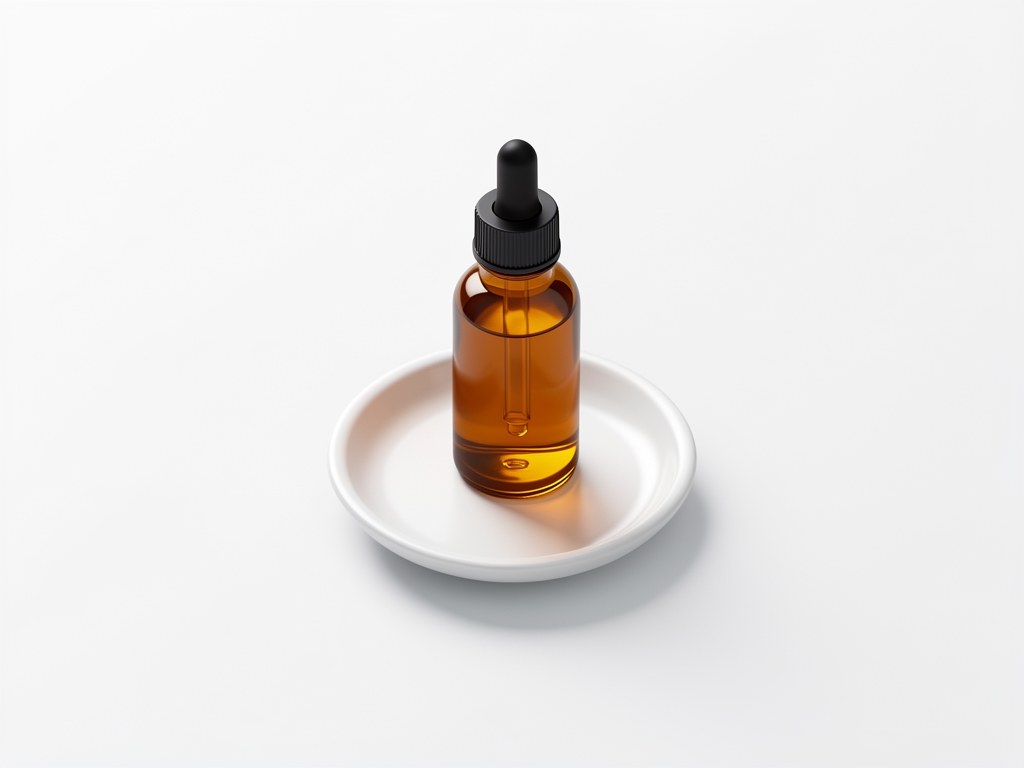
Common skincare actives and what they are typically used for
Dermatologist surveys give a useful view of which everyday actives are widely considered effective. In a study of 80 dermatologists from 43 U.S. institutions, retinoids were rated effective by 96.8% of participants for fine lines and wrinkles, by 96.8% for acne and by 96.8% for large pores. The same survey rated benzoyl peroxide (95.2%), salicylic acid (93.6%) and azelaic acid (87.1%) as effective for acne, and rated vitamin C (88.7%) and mineral sunscreen (96.8%) as effective for fine lines and wrinkles.
Retinol, a form of vitamin A, is the over-the-counter retinoid most people start with. It is often described as an alternative for people whose skin is too sensitive for prescription tretinoin. Niacinamide, also called vitamin B3, is commonly cited for helping build keratin, keeping skin firm, retaining moisture and reducing flushing; face masks with niacinamide may help reduce redness and swelling in people with rosacea. Alpha hydroxy acids such as glycolic and lactic acid are water-soluble exfoliants that work at the skin surface, while beta hydroxy acids such as salicylic acid are oil-soluble and can penetrate into pores.
The table below summarizes the most common categories at a glance. It is meant as orientation, not as a personal recommendation — a dermatologist can help match an ingredient to your skin.
| Active or category | Typical everyday use | Cautions worth knowing |
|---|---|---|
| Retinoids (including retinol) | Fine lines, wrinkles, acne, large pores | Not considered safe during pregnancy or breastfeeding; check with a dermatologist first |
| Benzoyl peroxide | Acne | Can be drying; introduce gradually |
| Salicylic acid (BHA) | Acne, exfoliation; oil-soluble and pore-penetrating | May be drying or irritating when overused |
| Azelaic acid | Acne | Generally considered gentle but still introduce slowly |
| Vitamin C | Antioxidant support; fine lines and wrinkles | Initial stinging or redness can occur and generally goes away with continued use |
| Niacinamide (vitamin B3) | Moisture retention, firmness, reduced flushing and redness | Usually well tolerated; pair with a simple routine |
| Alpha hydroxy acids (glycolic, lactic) | Surface exfoliation; water-soluble | Mild irritation and sun sensitivity are possible; use sunscreen every morning |
| Mineral sunscreen | Fine lines and wrinkles; daily sun protection | Apply every morning when using photosensitizing actives |
Sources: Cleveland Clinic, Northwestern Medicine, Healthline, DermapenWorld
How to start one active at a time
The single most repeated caution in the sources is to introduce one active at a time. Northwestern Medicine warns that layering too many products and multiple active ingredients at once raises the risk of irritation and can make skin worse, and recommends a simple routine built on cleansing, moisturizing and sunscreen. That framing is the safest starting point: keep everything else plain while you test a single new ingredient.
For alpha hydroxy acids, the Cleveland Clinic advises starting with a product at no more than 10% to 15% AHA, applying it initially every other day, and only gradually building up to daily use. Brand-authored consumer guidance reaches the same shape for retinol with different specifics: start at a low concentration about two to three times per week, apply at night, and follow with sunscreen during the day because retinol can increase sun sensitivity. Because that retinol guidance comes from a brand explainer rather than a clinical guideline, treat it as general consumer direction, not a medical standard.
A practical, cautious sequence looks like this:
- Pick one active you want to try and leave the rest of your routine unchanged.
- Patch test on a small area first, following the product's own instructions.
- Start at the lowest frequency you can reasonably keep up — for example, once or twice a week for many people, or every other day for AHAs as described by the Cleveland Clinic.
- Use only the amount the product directs, and avoid stacking a second active on the same evening.
- Keep a simple cleanser, moisturizer and morning sunscreen as your baseline.
- Increase frequency only after your skin has settled at the current level.
- If irritation persists or worsens, stop the new active rather than pushing through.
Sources: Cleveland Clinic, Northwestern Medicine, Kinship
Combinations commonly flagged as irritating
Combining actives is where many routines go wrong. The most common warning in the consumer guidance reviewed here is against pairing retinol with strong exfoliants such as glycolic or salicylic acid in the same routine. The same brand-authored guidance suggests introducing a new active only once or twice a week and patch testing first, which is the opposite of the multi-step stacking often shown on social media.
The broader point from Northwestern Medicine is that over-layering is itself the problem: more products and more actives at once raise the risk of irritation independent of which specific pair you choose. If you want to use both an exfoliant and a retinoid, the safer pattern is to alternate — not to combine them in the same session — and to keep the rest of the routine simple enough that you can tell what your skin is reacting to.
When a routine includes several products, the order in which they go on matters too. A dedicated layering guide can help you sort out what goes on first.
- Retinol plus strong exfoliating acids in the same routine is the combination most often flagged.
- Stacking many actives at once is itself a risk, even when no single pair is the classic warning.
- If you use more than one active, alternate sessions rather than layering them together.
- Patch test and introduce new products one at a time so you can identify the source of irritation.
Sources: Northwestern Medicine, Kinship
Sun sensitivity and sunscreen interactions
Several common actives can make skin more sensitive to the sun. The Cleveland Clinic states that alpha hydroxy acid side effects include mild irritation and sun sensitivity, and advises applying sunscreen every morning to avoid burning. Retinol is also described as increasing sun sensitivity, which is why the day-after sunscreen step is emphasized in consumer guidance.
Vitamin C-containing creams can cause stinging or redness when you first start using them; the Cleveland Clinic notes those effects generally go away with continued use. If they do not fade, that is a signal to stop rather than persist.
Sunscreen is not just a side note for an active-heavy routine — it is part of how the routine is meant to be used. Mineral sunscreen itself was rated effective for fine lines and wrinkles by 96.8% of dermatologists in the Northwestern Medicine survey, so daily use sits alongside actives as a core step rather than competing with them.
- AHAs: possible mild irritation and sun sensitivity — apply sunscreen every morning.
- Retinol: associated with increased sun sensitivity — follow night use with daytime sunscreen.
- Vitamin C: initial stinging or redness can occur and generally goes away with continued use.
- If irritation does not settle, stop the product and reassess with a professional.
Sources: Cleveland Clinic, Northwestern Medicine, Kinship
When to stop and ask a professional
Some reactions are normal introduction effects that fade, and some are reasons to stop. The sources offer a few clear stopping points. Retinoids are not considered safe during pregnancy or breastfeeding, and Northwestern Medicine advises checking with a dermatologist before adding them to a routine. That is a conversation to have before you start, not after.
For everything else, the general rule is that persistent or worsening irritation — rather than a brief adjustment — is the signal to stop. Because no single source in this guide gives a universal introduction schedule, concentration threshold or stopping rule for every active, the cautious approach is to introduce one active at a time and to seek a dermatologist's advice if irritation does not resolve.
If you want more background on individual ingredient names before your next appointment, the skincare ingredient glossary is a useful place to look them up.
- Check with a dermatologist before starting retinoids if you are pregnant or breastfeeding.
- Stop and reassess if irritation persists or gets worse rather than settling.
- There is no single universal introduction schedule for all actives — go slowly and one at a time.
- Bring the specific products you are using to a professional visit so they can review the full routine.
Sources: Northwestern Medicine, Kinship
Frequently asked questions
Can I use two actives in one routine?
It is possible, but the sources reviewed here suggest caution. Northwestern Medicine warns that layering too many products and multiple active ingredients at once raises the risk of irritation and can make skin worse, and recommends a simple routine of cleansing, moisturizing and sunscreen. Brand-authored guidance specifically suggests avoiding combining retinol with strong exfoliants such as glycolic or salicylic acid in the same routine. If you do use more than one active, alternating them across different sessions is the more cautious pattern.
Sources: Northwestern Medicine, KinshipHow long before I see any change?
The sources used for this guide do not give a single timeline that applies to all actives. What they do describe is how skin typically reacts when you start: vitamin C creams can cause initial stinging or redness that generally goes away with continued use, and alpha hydroxy acids can cause mild irritation and sun sensitivity. Rather than watching for a specific date, watch how your skin behaves at each step and only increase frequency once it has settled.
Sources: Cleveland ClinicDo I need a break-in period?
Yes — building up gradually is the consistent theme across the sources. Cleveland Clinic advises starting an AHA at no more than 10% to 15% and applying it initially every other day before gradually building to daily use. Brand-authored consumer guidance gives a similar shape for retinol, suggesting a low concentration about two to three times per week and starting slowly rather than nightly. Patch testing first and introducing a new active only once or twice a week is also recommended in that guidance.
Sources: Cleveland Clinic, KinshipAre actives safe alongside sunscreen use?
Sunscreen is part of how these routines are meant to be used, not something to avoid. Cleveland Clinic advises applying sunscreen every morning when using AHAs because they can cause sun sensitivity and burning. Retinol is also associated with increased sun sensitivity, so daytime sunscreen after night use is a standard part of the routine. Mineral sunscreen was rated effective for fine lines and wrinkles by 96.8% of dermatologists in the Northwestern Medicine survey, so daily use sits alongside actives.
Sources: Cleveland Clinic, Northwestern Medicine, KinshipSources
- Understanding Popular Skin Care Ingredients — Cleveland Clinic
- Top Skin Care Ingredients Recommended by Dermatologists — Northwestern Medicine
- Skin Care Ingredients Dictionary: From AHAs to Zinc Oxide — Healthline
- What Are The Essential Active Skincare Ingredients? — Kinship
- Active Ingredients: Your Skincare Actives Cheat Sheet — DermapenWorld