What combination skin means in practice
Combination skin is commonly described as having both dry and oily areas on the same face. Oiliness tends to concentrate in the T-zone, the forehead, nose, and chin, while the cheeks and jawline may be drier or closer to normal. That split is the whole reason a single all-over product strategy often disappoints.
In practice, this means you are not trying to fix one skin type. You are trying to keep the oily areas clear and comfortable without stripping the drier areas, and you are trying to keep the dry areas soft without adding heavy oils where shine and clogged pores are already a concern. The balancing act, not a single miracle product, is the point.
The T-zone is oilier because it has a higher concentration of sebaceous glands, which can lead to visible shine and enlarged pores there. Dry areas such as the cheeks can feel tight, rough, or flaky because those areas have fewer oil glands and lose moisture more readily. Those two facts explain why zone-by-zone choices usually work better than one strong product applied everywhere.
- Oily zone: forehead, nose, chin, sometimes the inner cheeks.
- Dry zone: outer cheeks, jawline, and sometimes the area around the mouth.
- The goal is balance, not treating the whole face as oily or as dry.
Sources: Annmarie Skin Care, Era Organics, Mt. Lebanon Dermatology (Mount Lebanon, PA); treatspace.com platform
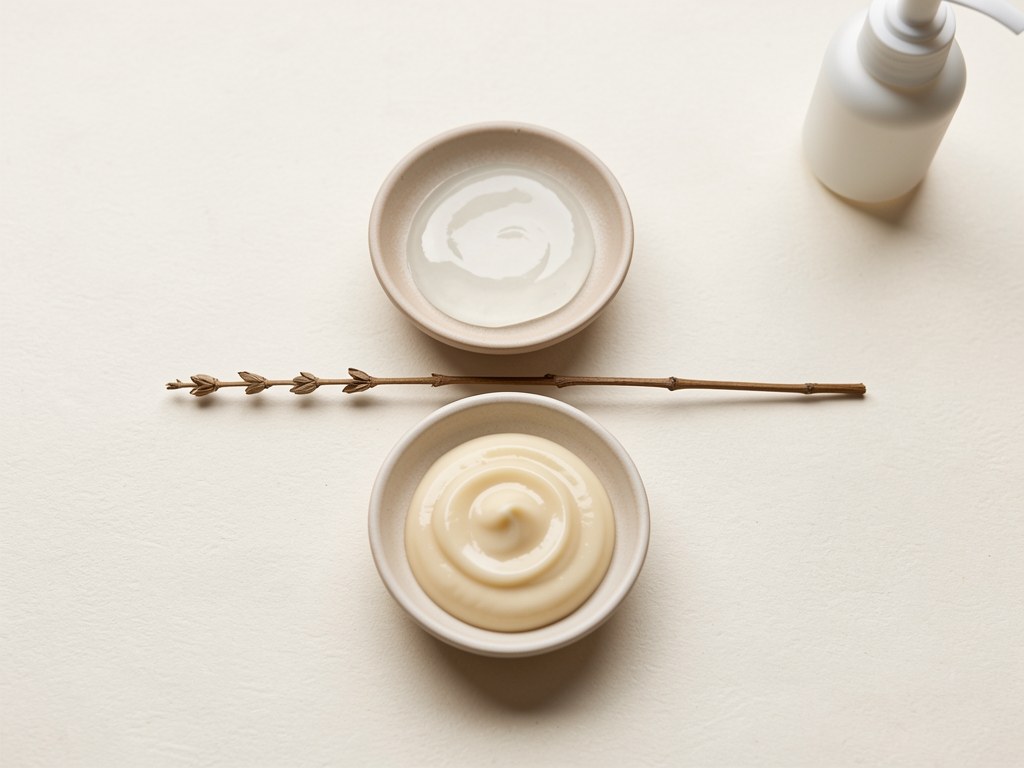
Identifying your oily and dry zones
Before buying anything, take a plain-language inventory of your own face. Wash with a gentle cleanser, wait about an hour without applying anything, and then look and touch. Shine and a slippery feel point to oily areas. Tightness, roughness, or visible flaking point to dry areas. Most people with combination skin will find that shine is concentrated in the middle of the face and that cheeks feel different.
A second useful question is whether the dryness is true dryness or dehydration. Dehydration is a lack of water in the skin, not a lack of oil, and it can show up as tightness, dullness, or fine flaking even in the oily T-zone. If your skin feels tight after cleansing, looks shiny but also flakes, or drinks up lightweight moisturizer immediately, dehydration is worth considering. Persistent irritation, acne, or a skin condition is a reason to see a qualified clinician rather than to keep experimenting.
- Shine or slip, especially by midday: oily zone.
- Tightness or roughness after cleansing: dry zone.
- A shiny T-zone that still flakes or feels tight can signal dehydration rather than simply oily or dry skin.
Sources: Annmarie Skin Care, Era Organics, Mt. Lebanon Dermatology (Mount Lebanon, PA); treatspace.com platform
Cleansers and moisturizers that work for both zones
A dermatologist-authored practice guide describes the combination-skin morning routine as a gentle balanced cleanser, a balancing toner, a lightweight oil-free moisturizer on the T-zone and a more hydrating moisturizer on dry areas, or one balanced moisturizer for the whole face, plus broad-spectrum sunscreen with a lightweight finish. The practical message is that you do not need a harsh cleanser just because part of your face is oily.
For skin care for combination skin, look for lightweight, hydrating products on the T-zone and more emollient formulas on drier areas. Non-comedogenic products and pH-balanced formulas, around 5.5, are commonly recommended selection criteria. Hyaluronic acid and niacinamide appear often in this context: hyaluronic acid for lightweight hydration without clogging pores, and niacinamide for helping regulate oil production in the T-zone. Salicylic acid is commonly suggested for the oily areas to help clear buildup and reduce clogged pores.
Exfoliating acids such as glycolic acid are usually described as something to use sparingly, about one to two times per week, to avoid over-drying combination skin. Dryness can be aggravated by harsh or alcohol-containing products and strong exfoliants that strip natural oils, while excess oil in the T-zone can be worsened by inadequate cleansing. A gentle cleanser used consistently is usually a better starting point than a strong one used once.
- Cleanse gently rather than aggressively; the oily zone does not require stripping the dry zone.
- Apply a lightweight moisturizer to the T-zone and a richer one to the cheeks, or use one balanced formula for the whole face.
- Consider hyaluronic acid for hydration and niacinamide for oil balance.
- Keep salicylic acid and exfoliating acids targeted and infrequent.
Sources: Annmarie Skin Care, Era Organics, Mt. Lebanon Dermatology (Mount Lebanon, PA); treatspace.com platform, The Luna Hive
Makeup formats that hold in the T-zone without clinging to dry areas
Makeup advice for combination skin tends to favor semi-matte, mineral-based foundations, with powder used to mattify the T-zone. Full-coverage mattifying makeup is not required; a lightweight foundation plus targeted mattifying in the T-zone is a commonly suggested approach. That combination lets the dry outer areas keep some of their natural finish rather than being flattened by a heavy matte layer.
A practical application order is to prime the T-zone only, apply a lightweight foundation evenly, and then press a small amount of powder onto the oily areas rather than sweeping it across the whole face. Cream or liquid formulas on the cheeks and powder on the T-zone is one way to respect both zones in the same routine. Because makeup guidance for combination skin is based on general practice rather than test data, treat it as a starting point and adjust according to how your own skin behaves by the end of the day.
- Start with a mattifying primer on the T-zone if shine is your main concern.
- Apply a lightweight foundation across the face.
- Powder only the oily areas, using a light hand.
- Leave the drier cheeks with a natural or lightly hydrated finish.
Sources: Annmarie Skin Care, The Luna Hive
Adjusting by season and climate
Routine advice for combination skin includes adjusting product weight by season. Lighter, gel-based or lighter moisturizers tend to suit warmer and more humid months, while richer products on the dry areas make more sense in winter. That seasonal adjustment appears consistently across a brand skincare blog, a retailer blog, and a dermatologist-authored practice blog, so it is one of the more reliable patterns in this topic.
A skincare article relays a second-hand finding that from winter to summer, trans-epidermal water loss decreased by 22 percent and skin hydration increased by 26 percent, which the article presents as better barrier function and moisture retention in warmer months. The underlying study was not available for review, so treat those numbers as an interesting reported observation rather than a planning figure.
Climate matters as much as the calendar. Dry indoor heating in winter can make cheeks feel tighter, while humid summers can make the T-zone shinier. In both cases, the zone-based idea stays the same: adjust the weight and oil content of what you apply where, rather than changing your entire routine at once.
- Warmer, more humid months: lighter, gel-based or lighter moisturizers.
- Colder, drier months: a richer product on the dry areas, kept away from the oiliest parts of the T-zone if it feels heavy there.
- Change one product at a time so you can tell what actually helped.
Sources: Annmarie Skin Care, Era Organics, Mt. Lebanon Dermatology (Mount Lebanon, PA); treatspace.com platform
A zone-based selection table
Use the table below as a quick reference for matching product types to the two main zones. It compares product categories and selection criteria rather than individual product names, because the useful decision for combination skin is usually about texture and function, not about a specific bottle.
| Zone | Typical concern | Product texture to look for | Useful ingredients or formats | Application note |
|---|---|---|---|---|
| T-zone (forehead, nose, chin) | Shine, visible pores, clogged pores | Lightweight, oil-free, gel or lotion | Niacinamide, salicylic acid, lightweight moisturizer | Apply lighter products here first, and powder only this area if needed. |
| Cheeks and jawline | Tightness, roughness, flaking | More emollient cream or richer lotion | Hyaluronic acid, balanced moisturizer, gentle non-comedogenic formulas | Layer a richer moisturizer over the dry areas after the lightweight layer. |
| Whole face | Two different needs at once | Balanced, non-comedogenic, pH-balanced around 5.5 | Gentle cleanser, broad-spectrum sunscreen with a lightweight finish | Use one balanced product across the face when a zone split feels like too much. |
Sources: Annmarie Skin Care, Era Organics, Mt. Lebanon Dermatology (Mount Lebanon, PA); treatspace.com platform
What to be cautious about
All product-selection guidance for combination skin is general skin-type information, not personalized medical advice. Readers with persistent irritation, acne, or a skin condition should consult a qualified clinician. Do not push through stinging, redness, or peeling in the hope that a product will start working; that is a sign to stop and reassess.
Dryness in combination skin can be aggravated by harsh or alcohol-containing products and strong exfoliants that strip natural oils, while excess oil in the T-zone can be worsened by inadequate cleansing. In other words, both over-treating and under-cleansing can make the problem worse. A simple, consistent routine that respects both zones is usually more helpful than an aggressive one.
- Avoid harsh or alcohol-containing products if your cheeks feel tight.
- Keep strong exfoliants infrequent.
- Do not skip cleansing the T-zone, but do not scrub it either.
- See a clinician for persistent irritation, acne, or a skin condition.
Sources: Era Organics
Frequently asked questions
Can I use two different moisturizers on different parts of my face?
Yes. A dermatologist-authored practice guide describes applying a lightweight oil-free moisturizer on the T-zone and a more hydrating moisturizer on dry areas as part of a combination-skin morning routine. You can also use one balanced moisturizer for the whole face if a zone split feels like too much. Start with the lighter product and add the richer one only where your skin actually feels dry.
Sources: Mt. Lebanon Dermatology (Mount Lebanon, PA); treatspace.com platformShould I use a mattifying primer only on my T-zone?
Targeting a mattifying primer to the T-zone is consistent with the way makeup guidance for combination skin is usually described. Semi-matte, mineral-based foundations with powder used to mattify the T-zone are common suggestions, and a lightweight foundation plus targeted mattifying is often presented as an alternative to full-coverage mattifying makeup across the whole face. Keeping the primer off the drier cheeks helps avoid emphasizing flaking there.
Sources: Annmarie Skin Care, The Luna HiveDo I need separate cleansers for oily and dry areas?
Not necessarily. A gentle balanced cleanser is the typical starting point for combination skin, and you can cleanse the whole face with it. If the T-zone still feels oily after cleansing while the cheeks feel comfortable, you can focus slightly more attention there without switching to a harsher product for the entire face. Avoiding harsh or alcohol-containing cleansers is generally recommended because they can aggravate dryness on the cheeks while the T-zone may still need regular, adequate cleansing.
Sources: Era Organics, Mt. Lebanon Dermatology (Mount Lebanon, PA); treatspace.com platformHow do I know if my combination skin is actually dehydrated?
Dehydration is a lack of water in the skin rather than a lack of oil, and it can show up as tightness, dullness, or fine flaking even in areas that look shiny. If your skin feels tight after cleansing, looks oily but also flakes, or seems to absorb lightweight moisturizer immediately, dehydration may be part of the picture. For combination skin, lightweight hydrating ingredients such as hyaluronic acid are commonly recommended to add moisture without clogging pores. Persistent irritation or a diagnosed skin condition is a reason to consult a qualified clinician rather than to keep changing products.
Sources: Annmarie Skin Care, Mt. Lebanon Dermatology (Mount Lebanon, PA); treatspace.com platformSources
- Combination Skin: Definition, Identify, Causes and Skin care Routine - Annmarie Skin Care — Annmarie Skin Care
- Combination Skin: Meaning, Treatment, Skin Care – Era Organics — Era Organics
- The Best Skincare Routine for Your Skin Type: Expert Tips — Mt. Lebanon Dermatology (Mount Lebanon, PA); treatspace.com platform
- Easy Combination Skin Routine For Oily Skin: Tips & Tricks — The Luna Hive